Safe roads aren’t out of reach. Many of us wish we could walk or bike more, wish we had more options than driving, wish we could simply feel safer getting around.
Proven measures exist that can dramatically reduce injuries and deaths, creating roads where everyone can travel safely — and youth have a vital role in bringing this change to life.
Factors that impact road safety and proven measures to protect young people
Safe speeds
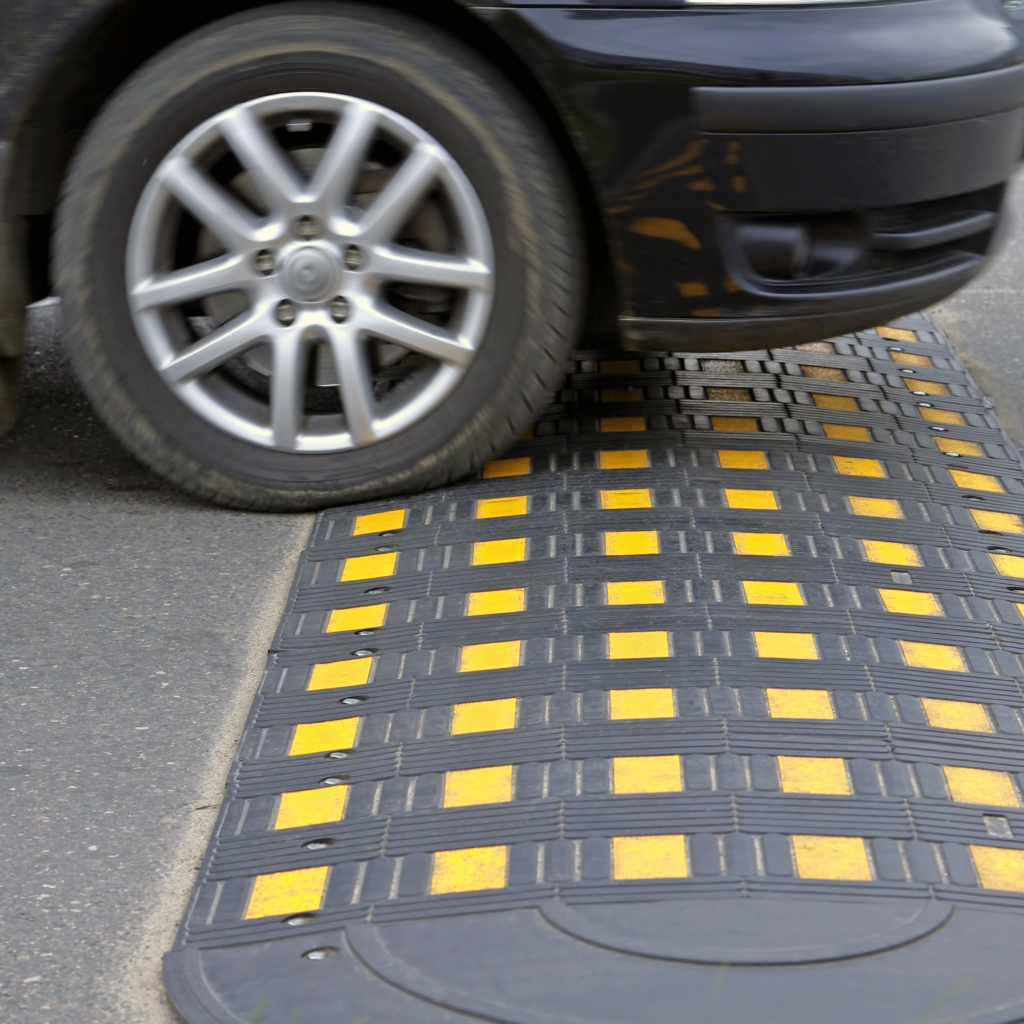
Speeding is a contributing factor in one in four fatal crashes in Canada. A pedestrian hit at 50 km/h is six times more likely to die than if hit at 30 km/h.
Proven measures:
- Keeping speeds at 30 km/h in areas where people walk, cycle and play.
- Traffic calming measures such as speed bumps, roundabouts and road narrowing to ensure that speeds remain low.
- Automated speed enforcement, or safe speed cameras, have been shown to reduce speeding in school zones by 45 per cent and to have the biggest effect on the drivers going at the highest speeds (15 km/h or more over the speed limit).
Active transport
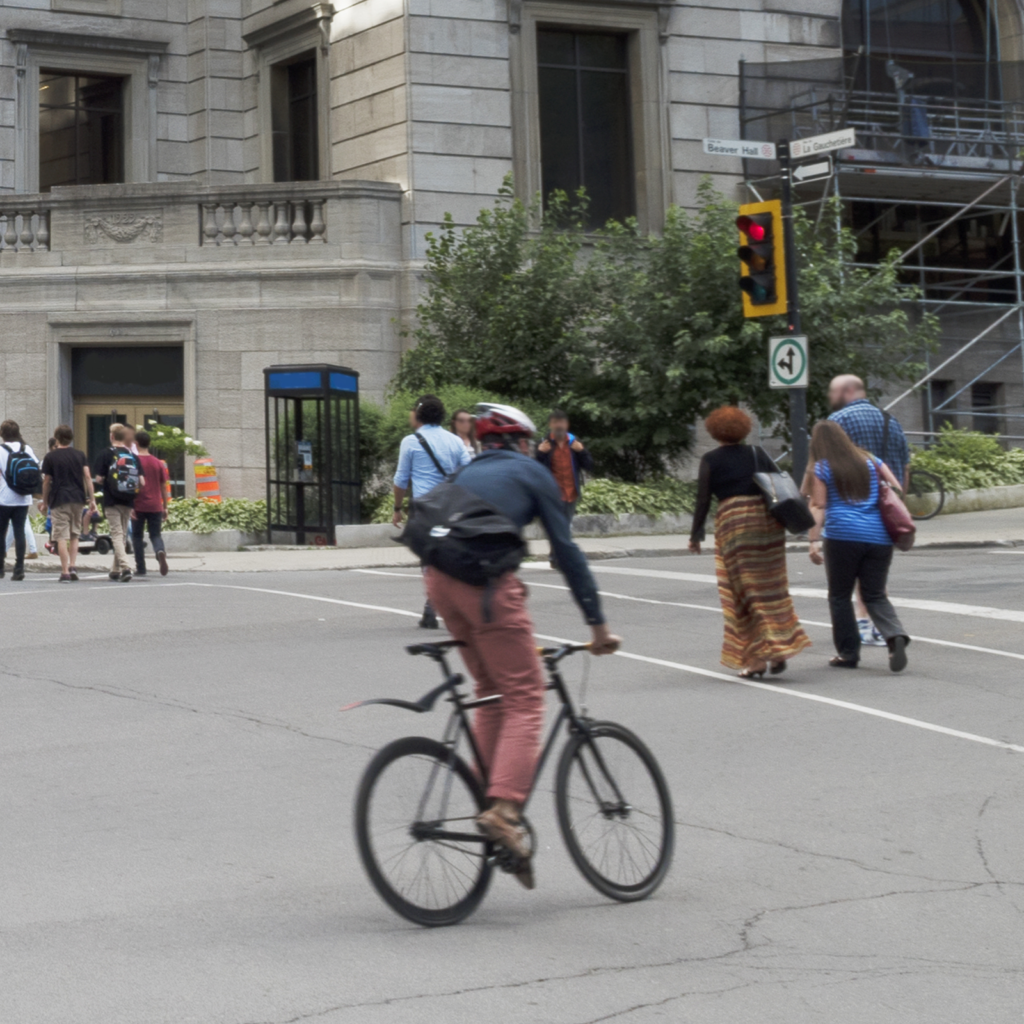
Walking, cycling and other active ways to get around are great ways to boost our health and reduce pollution – but we need to be able to do it safely. Youth are more likely to choose active transport when roads are built to keep them safe.
Proven measures:
- Separated bike lanes reduce injuries and deaths by up to 90 per cent.
- Pedestrian pathways and transit connections make active travel an easy choice.
Public transit access
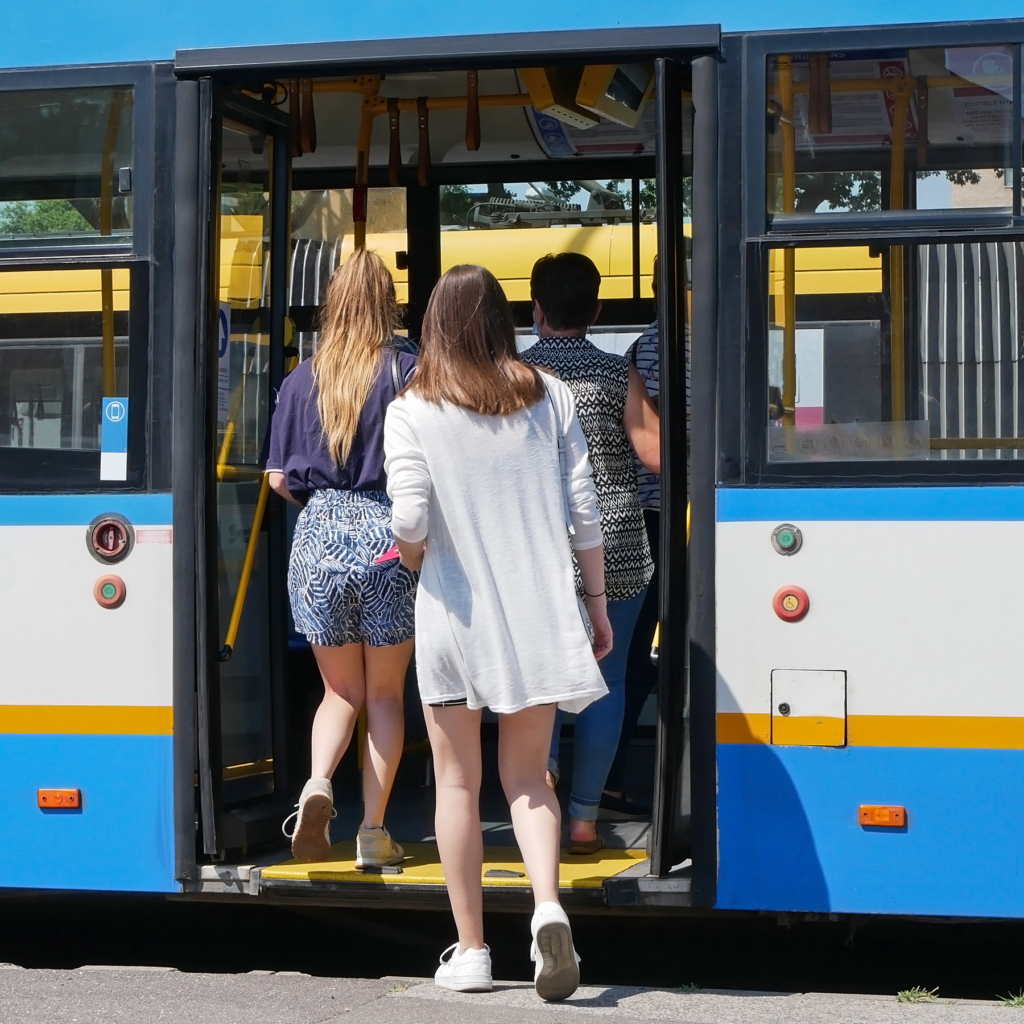
Cars and trucks produce 40 per cent of Canada’s transport emissions. Expanding public transit is one of the clearest ways to reduce the impact of our travel on the environment. Transit isn’t just a climate solution: 40 per cent of low-income residents in big cities lack reliable access to jobs, healthcare and other essentials without it. In rural and northern communities, where routes are limited or non-existent, that gap is even wider.
Proven measures:
- Expanding public transit routes reduces collisions and pollution, making roads safer for everyone.
- Reliable and accessible public transit closes gaps in equity, connecting communities to jobs, healthcare and other essential services.
Impaired driving
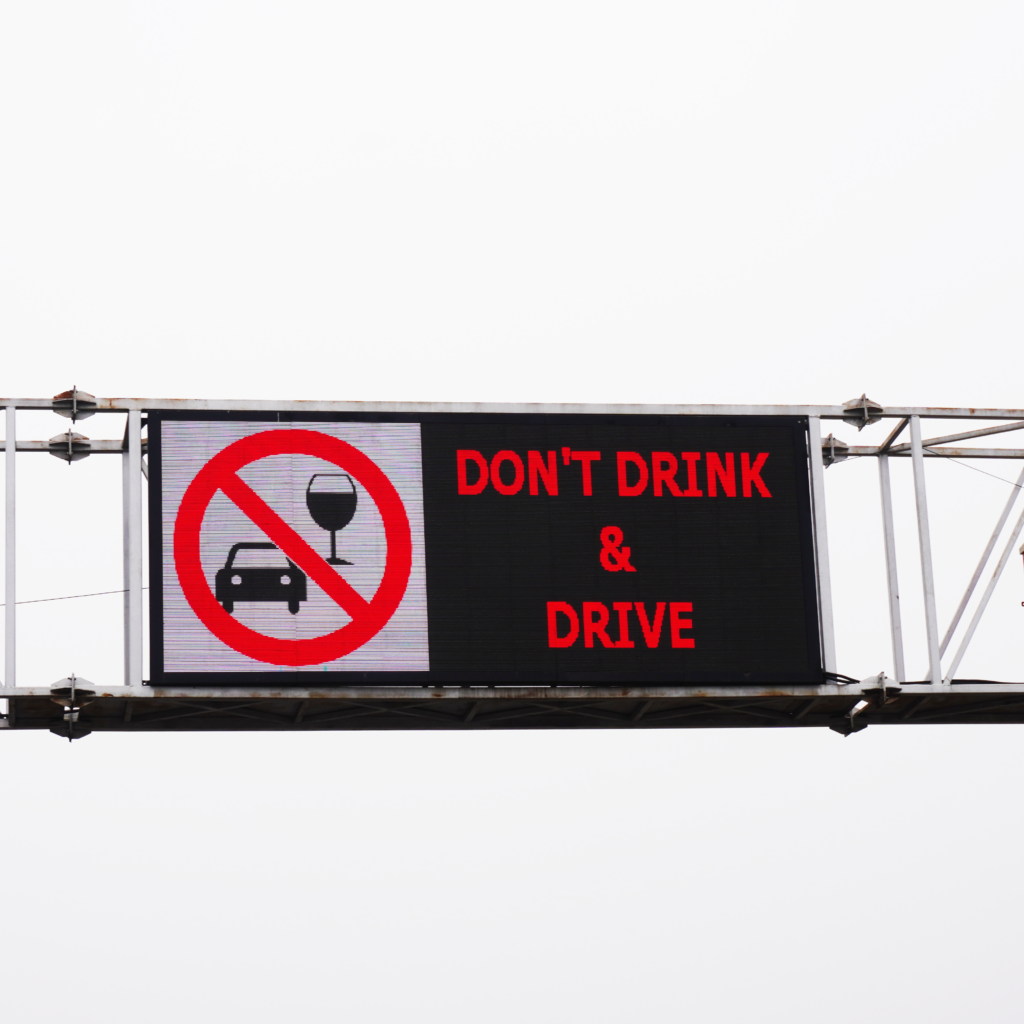
Among drivers aged 16 to 24 injured in a crash, almost half test positive for alcohol, cannabis, or other drugs.
Strategies that have an impact:
- Harm reduction methods such as designated drivers, rideshare access and public transit can prevent impaired driving.
- Youth can raise awareness of these strategies and encourage their peers to choose safe options.
Distracted driving

Distracted driving is a contributing factor in almost 18 per cent of fatal crashes in Canada.
Strategies that have an impact:
- Before hitting the road, drivers should set themselves up to focus: silence the phone and keep it out of reach, and skip eating, drinking or getting ready in the car. One thing deserves driver’s full attention: driving safely
- Youth can model and encourage safe driving behaviours among peers.