Parachute’s Youth Ambassador projects highlight the commitment of young leaders to enhance road safety in Canadian communities.
In 2024-25, Parachute awarded grants of $600, plus our support and mentoring, for 18 Ambassador projects. Here are some examples.
Highlights from the 2024-25 Ambassador projects
Positive tickets and safety education in schools (Trout River, N.L.)
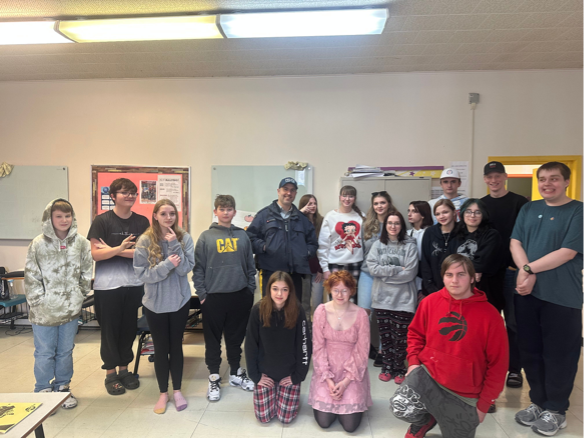
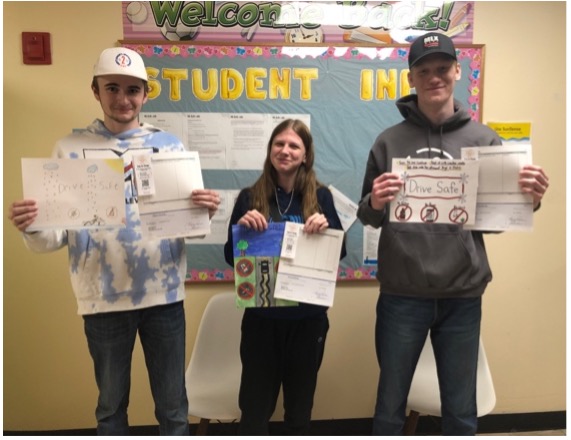
Ambassadors Jorja Pevie and William Brake led this project to raise awareness on impaired driving through classroom learning, community advocacy and creative outreach. This project engaged students as they viewed presentations from MADD, RCMP and peers affected by serious collisions. A road safety poster contest was also held in the school, leading to thoughtful reflection and promoting awareness of road safety issues within their community.
Equestrian safety awareness (Dieppe, N.B.)
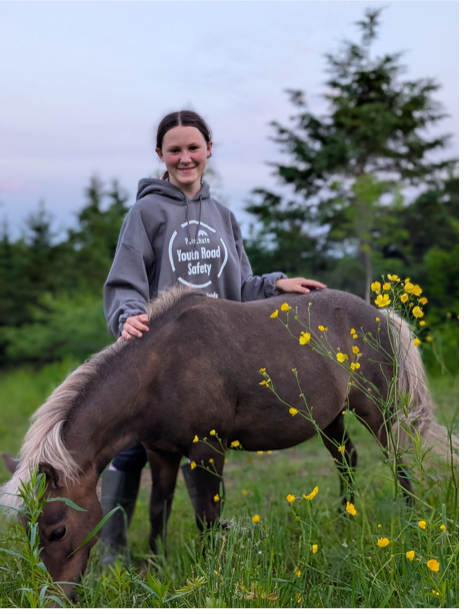
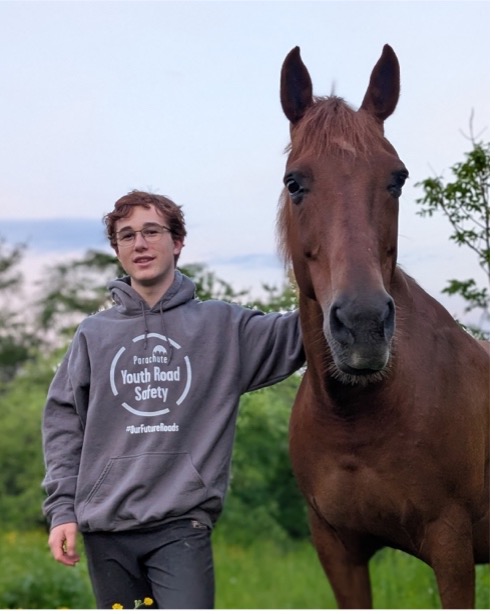
Ambassadors Naomi and Nathanael Buschhaus created a series of videos that educated the public on equestrian road safety, reaching more than 125,000 views. They focused on a variety of topics including avoidance of engine brakes, safe group crossings, visibility and respecting horses on shared roads. This project partnered with the New Brunswick Equestrian Association to increase the spread their work.
Educating communities on impaired driving risks (Ottawa, Ont.)
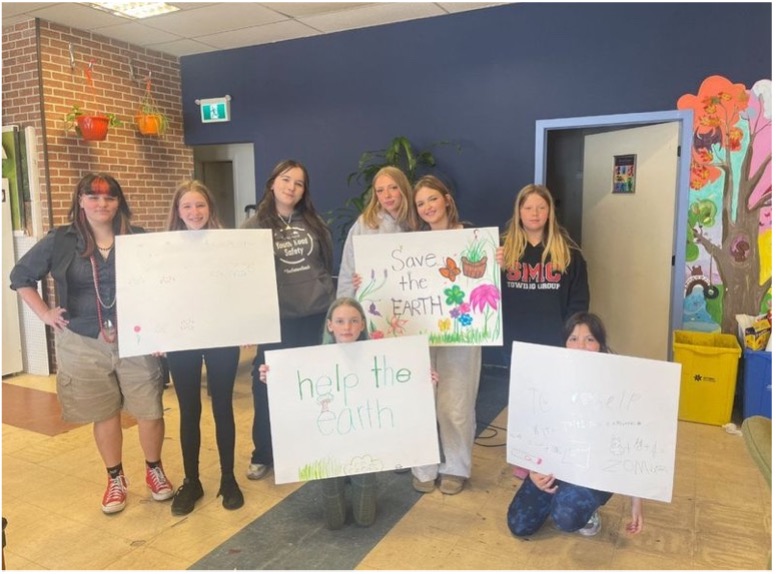
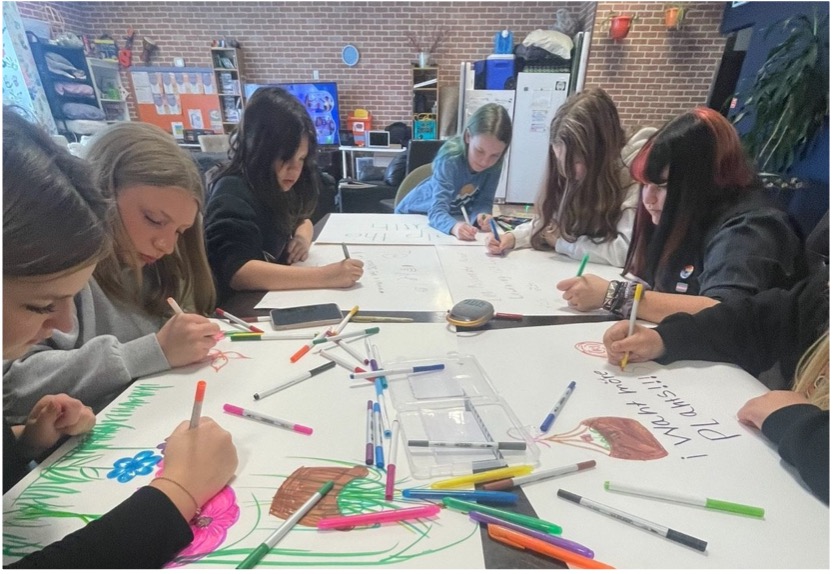
Ambassadors Warner Schaettgen and Bridget Green brought together a group of youth to discuss local road safety issues and solutions. Participants explored the importance of youth involvement in transportation planning, calling for more affordable driver education, increased municipal funding for road safety improvements and stronger public transit options accessible to youth. Their ideas have been shared with local and regional leaders in a call for meaningful youth consultation and long-term change.
Youth voices in municipal transportation planning (Vaughan, Ont.)
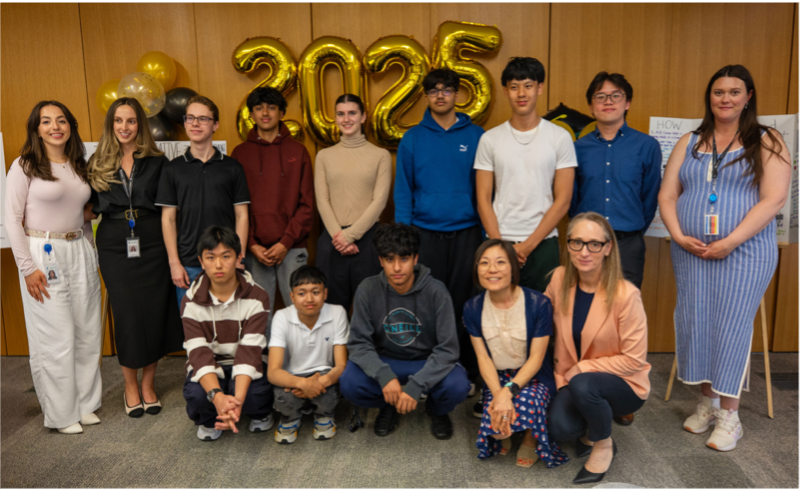
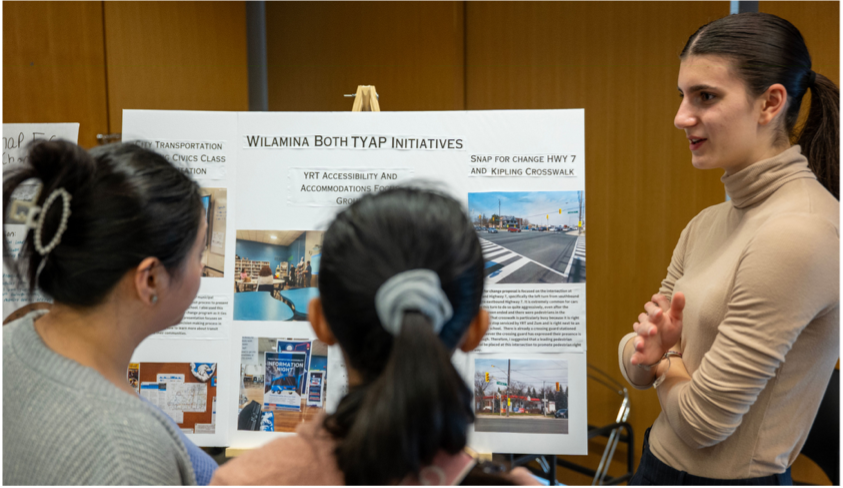
Ambassadors Julia Galeotalanza and Myles Chan led the City of Vaughan Transportation Youth Ambassador Program (TYAP), which is an outreach program lead by Vaughan’s youth, for Vaughan’s youth. The program empowered nine high school students from across Vaughan to lead youth-focused transportation initiatives in collaboration with the city. After completing a three-session training series on municipal engagement and road safety, TYAP ambassadors launched projects on micromobility, automated speed enforcement, public transit and 30 km/h school zone limits. Their outreach, including surveys, pop-ups, classroom presentations and city event activations, engaged more than 200 peers. Julia and Myles supported the ambassadors in their projects and amplified youth voices in local transportation decisions to improve road safety.
Promoting ridesharing in urban settings (Toronto, Ont.)
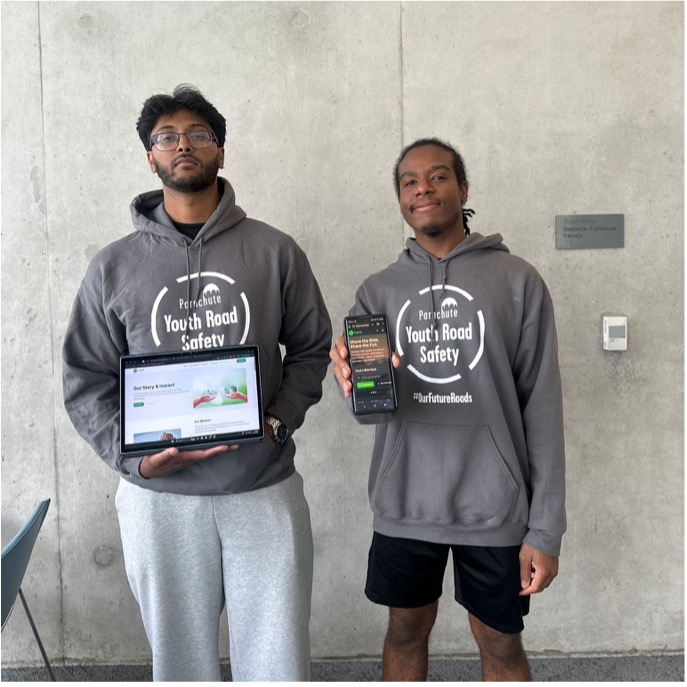
Fullride aims to tackle traffic congestion, emissions and rideshare inefficiency in Canadian cities by promoting safe, shared trips. Through driver interviews and field tests, the ambassador team of Joshua Lyttle, Muhammad Ali Hafeez, Aman Samir Ahmed and Jermaine Walters confirmed that most rideshare trips carry only one passenger, despite many riders heading to the same places. As a solution, the team created Fullride, an app designed to connect rideshare platforms and people who are travelling to the same destination to create safer and more sustainable roads.
Advocating for accessible walkways (Brampton, Ont.)
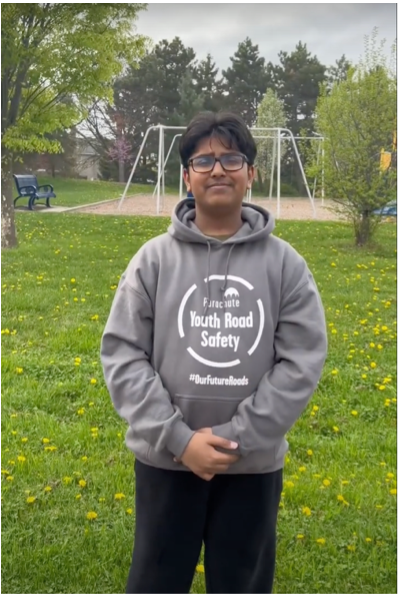
This project highlighted the importance of city infrastructure and considering individuals of all abilities. Ambassador Raj Sagar, along with his grandfather, pointed out various accessibility issues in their local community such as sidewalks, pathway edges and crosswalks that are not accessible for every individual. To advocate for change, Raj sent a letter to the City of Brampton, leading to a prompt response from the Accessibility Office, acknowledging the concerns and expressing support in addressing uneven walkways and pathways.
Enhancing safe cycling on Hamilton trails (Hamilton, Ont.)
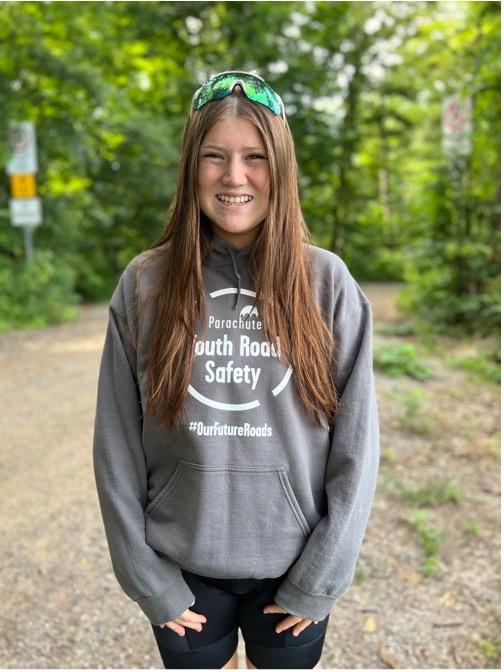
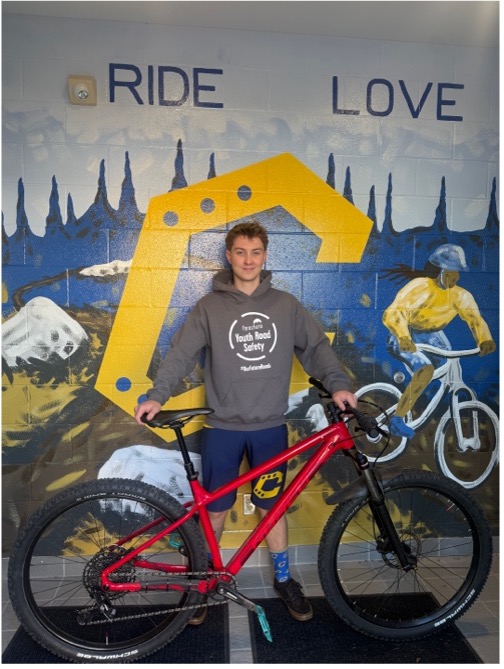
Ambassadors Leighton Underhill and Alexander Depew surveyed trail users in the Dundas Valley Conservation Area to assess safety at two key road crossings. Their results confirmed widespread concerns over driver speed, poor signage visibility and obstructed sightlines. In collaboration with Golden Horseshoe Cycling Hub (GHCH), the ambassadors proposed solutions, including staggered barriers, improved signage and traffic calming, which they advocated for through a community town hall meeting and sharing their findings with a local city councillor. To raise awareness, they created infographics on how to cross roadways safely for GHCH’s youth cycling program.
Advocating for safe speeds (Dunedin, Ont.)
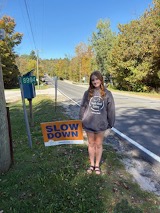
This project led by Ambassador Harper Bracken focused on addressing speeding on a winding section of County Road 9 in Dunedin, where several crashes have occurred, including one that was fatal. Despite the 50 km/h speed limit, vehicles often travel at 80-to-100 km/h. This project engaged community stakeholders through discussions that promoted safer driving and advocated for measures such as speed feedback signs or automated speed enforcement to improve road safety.
Promoting responsible driving through engagement (Regina, Sask.)
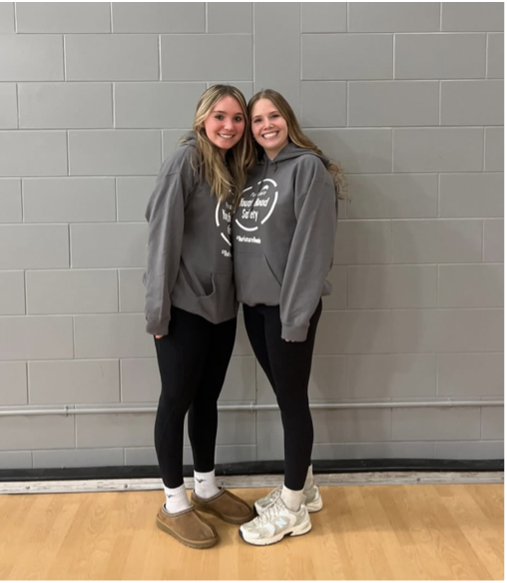
During their project, Ambassadors Avery Struch and Maria Tkachuk led a series of initiatives within their community to promote youth road safety. They organized an event at their high school that aimed to raise awareness around impaired driving, in an interactive and memorable way that engaged more than 300 youth. Their initiatives also expanded to the local elementary schools where they delivered three interactive sessions on bike and pedestrian safety to more than 70 students in grades 4 to 7.
Impaired goggles game day (Regina, Sask.)
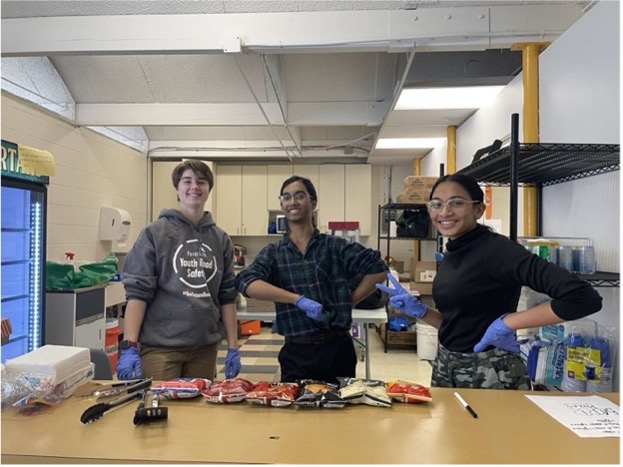
This project, led by Ambassadors Alexander McMurchy, Ryan Clark, Lily Musleh, Sophie Rheault and Charlotte Tunison, was created by Campbell Collegiate’s SADD chapter. They hosted an Impaired Goggles Game Day, a school-wide event that had an attendance of more than 150 youth. Students wearing impairment goggles used these interactive stations to simulate the effects of alcohol and drug use. The event strengthened the group’s teamwork, event planning skills and ability to deliver road safety messages that resonated with the entire school.
Educating peers on the impacts of impaired driving (Regina, Sask.)
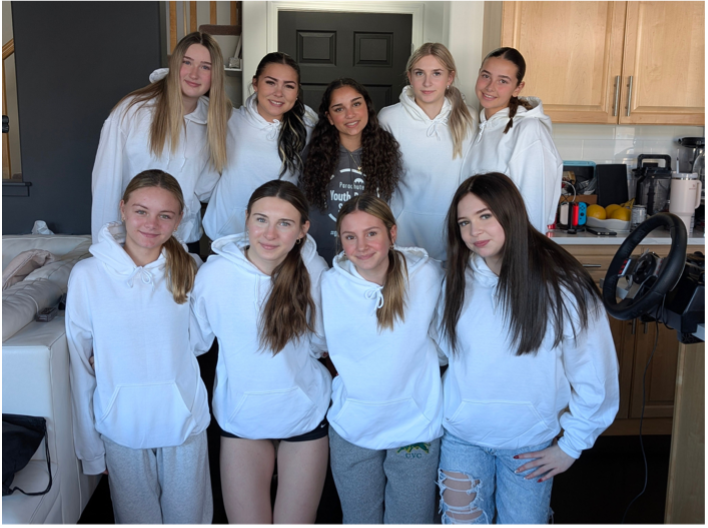
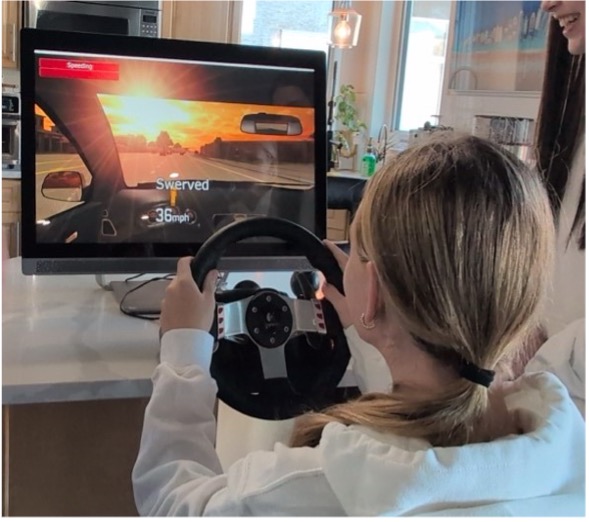
This project aimed to raise awareness of safe driving practices for members of Ambassador Kiara Qureshi’s volleyball team. This event combined games, discussion and personal stories regarding road safety to promote safer driving habits. Kiara and her teammates wore custom hoodies printed with the message “Drive safe, somebody loves you,” and learned about the impact of impaired and distracted driving through SGI’s One Simple Decision (OSD) simulator and impaired goggles.
Promoting safe behaviours through positive ticketing (Regina, Sask.)
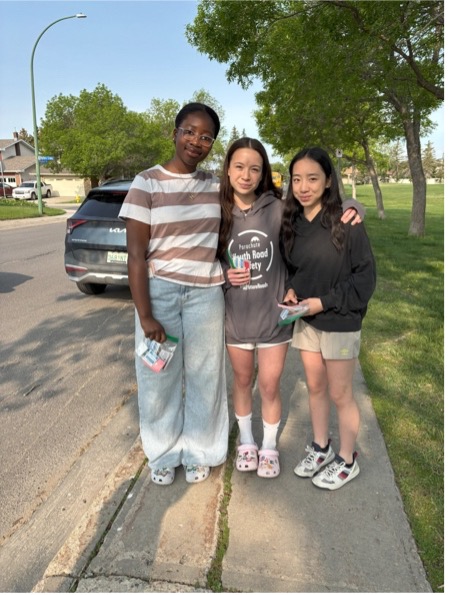
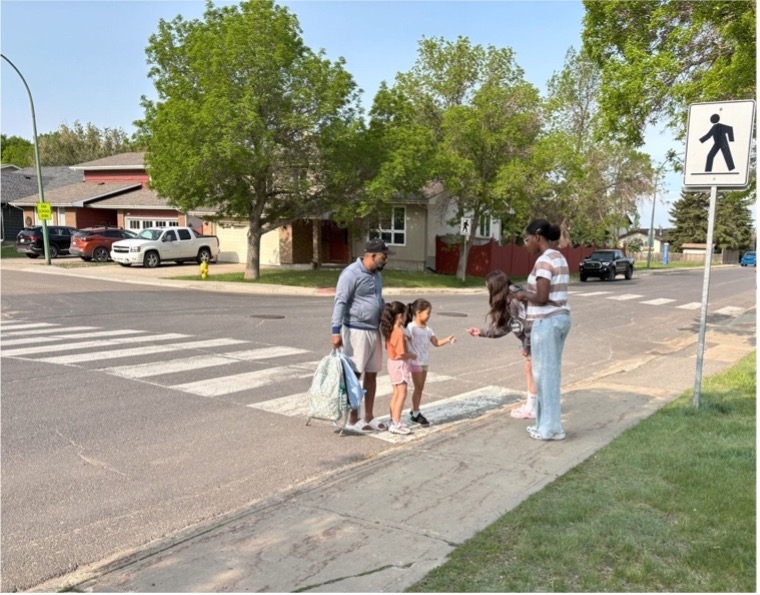
Ambassador Mila McMurchy held a positive ticketing campaign at École Wilfrid Walker to promote safe walking, cycling and driving around the school. Mila and the Wildcat Leadership Group awarded students, families, staff and bus drivers who demonstrated safe habits such as using crosswalks, parking properly and avoiding distractions behind the wheel. The event sparked community-wide conversations about school zone safety and showed how youth leadership can foster acts of responsibility and care.
Bike safety for kids through interactive learning (Calgary, Alta.)
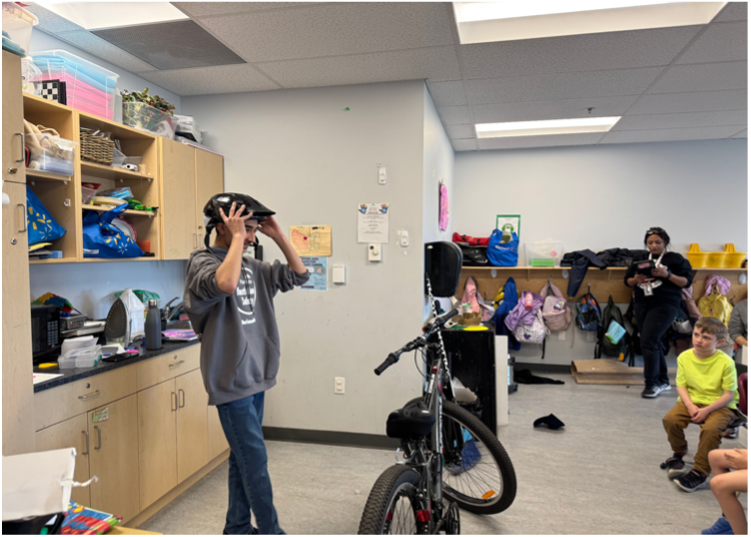
Ambassadors Daniyaal Quresh and Ronaar Qureshi led a two-day bike safety program that reached more than 75 elementary students. The initiative focused on teaching helmet safety, visibility, road signs and safe biking habits through interactive games, art projects and hands-on demonstrations. This project helped young children become more engaged in road safety by learning various safe riding tips in a fun, engaging setting.
Improving infrastructure for pedestrians and cyclists (Edmonton, Alta.)
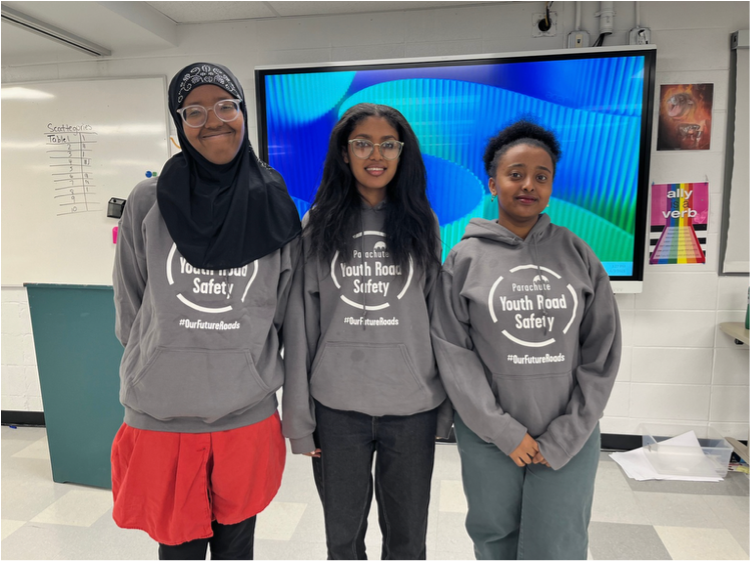
This project combined research, education and advocacy to decrease the risk of injuries due jaywalking near M.E. Lazerte High School. Ambassadors Sophie Mohamed, Elsabeth Gurmesa and Elshady Sileshe engaged their school community through a school-wide survey and peer interviews, revealing factors that led to many students jaywalking while travelling to and from school, including a broken pedestrian signal. These young changemakers developed a report to showcase their findings and shared it with the City of Edmonton to implement their recommended solutions.
Debunking myths about impaired driving tools (Vancouver, B.C.)
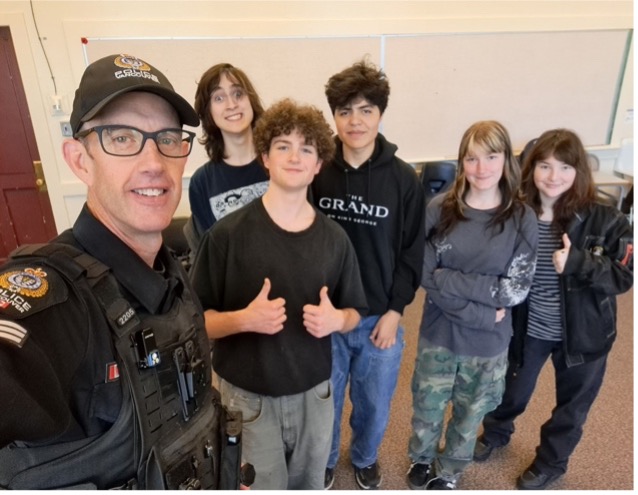
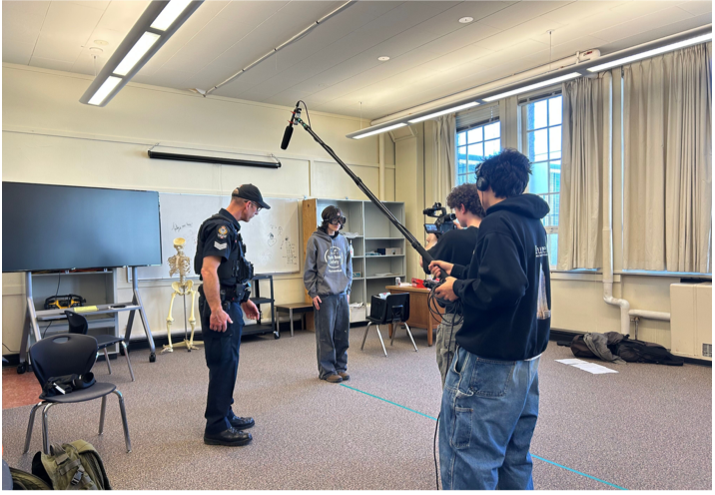
This project, led by Ambassador Eryn Grahn, partnered with MADD Canada, the Vancouver Police Department and Templeton Secondary School’s film program to create an educational video teaching youth about common myths when it comes to impaired driving. The video had numerous relevant messages regarding responsible decision-making. The project strengthened collaboration between students and national advocacy groups and demonstrated how peer-driven education can effectively challenge misinformation and encourage safer choices behind the wheel and as a passenger.
Addressing risky drivers in school zones (Langley, B.C.)
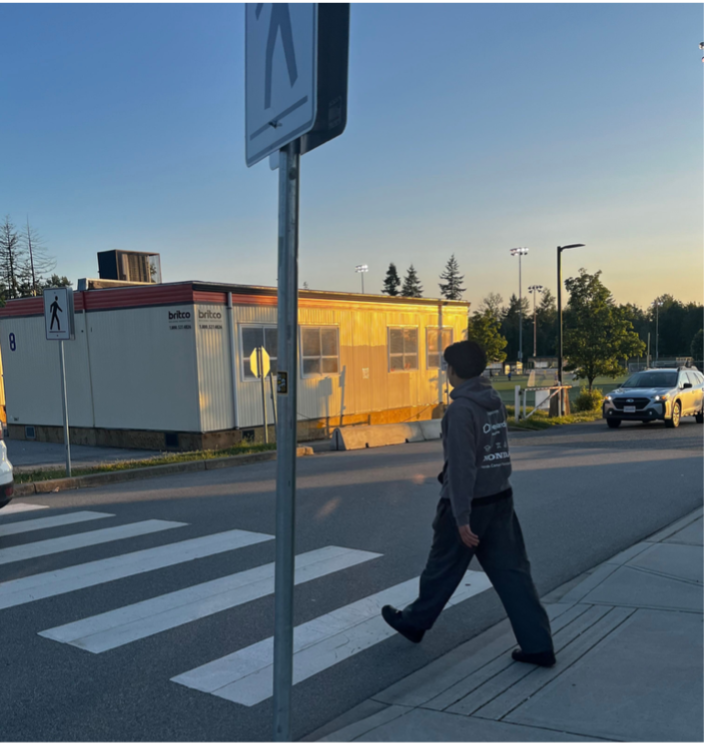
To address community concerns around road safety near R.E Mountain Secondary School, Ambassadors Azhar Ahmad and Hasan Siddiqui conducted a school-wide survey to gather direct feedback from students. Students raised the need for marked crossings, speed bumps and better signage. The project launched a dedicated Instagram campaign to share findings, raise awareness and keep the community engaged. The ambassadors shared their findings and requests with the Mayor of Langley Township and Langley School District.