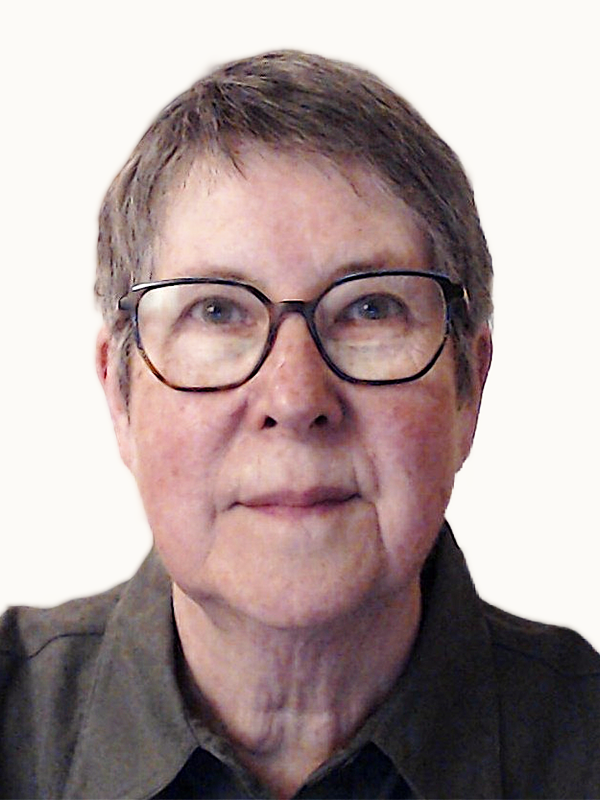
Noreen Agrey is retired from the Saskatchewan Prevention Institute where she was the Executive Director.
How did you find you way into the injury prevention field? What attracted you?
I began working at the SK Prevention Institute in 1986 – at that time it was called the SK Institute on Prevention of Handicaps. At that time, the Institute was focused on prevention of disabilities that happened before the time of birth or at the time of birth.
When I was a child on the farm, my family was very safety conscious. One of my earliest memories is my dad telling me what to do if I was out in a lightning storm. I was just a little kid, and there were so many things that could have been unsafe on our farm, but we were always taught to be cautious. As I grew older, I could see in others, a lack of regard for their safety and the safety of others. Rather than understanding that an action could end up with negative consequences, some had the mindset that the result of the action was up to fate. I really believed that if people could see there were steps that could be taken to mitigate outcomes – the crash or fall may still happen but there are things that could decrease the injury severity – they would make different choices.
The son of the second executive director I worked for at the Institute had been severely injured in a bike-vehicle crash. She felt that adding injury prevention to our programming would be a good idea, and I agreed. I’d had personal experience in my life of friends and acquaintances dying from injury related causes – bicycle and vehicle deaths primarily, but also from other causes. The Executive Director and I were both passionate about expanding our work to the injury field and we got approval from the Board to go ahead.
The first injury prevention conference I attended was in Red Deer in 1988 and I remember Kathy Belton sharing her injury story. It really impacted me and reinforced my belief that we had to get working in the field. The Institute started programming by creating or adapting programs that could be used in classrooms. By 1990, we were doing car seat programming and led the development of a provincial coalition. The Institute, along with national partners, also led the formation of the first comprehensive car seat training manual in Canada. We, along with two other organizations, also formed the SK Bike Safety Coalition and were conducting bike safety trainings. We created a bike safety manual, playground inspection guides and in the early 1990s, we published the SK Child Injury Report – it was the first one of its kind in Canada. That report pinpointed causes of childhood morbidity and mortality due to injury to specific regions in the province. It was an exciting time in the injury prevention field because programming could be directed at significant proven causes of injuries to children.
What have been the biggest changes you’ve seen since 1988, when you started?
The growth in the field across the country. When I started working in the field, the provincial and national research-based organizations were just beginning to form and/or become more well known. The people within those organizations shared a collaborative approach and as the field grew, were very willing to share information and work together.
At the time, there was much more freedom to travel to conferences and meetings, to get together regularly and get to know each other; build trust. People were quick to respond if you had a question or knew who to ask if they didn’t have an answer.
The national conferences, the Canadian Collaborating Centres on Injury Prevention and all the good work that fell out of those initiatives was so impactful for the field.
Why did you stay in the injury prevention field?
I really did love the field. The Institute provided freedom to grow the programming in an area that I felt was important for the people of the province.
I also liked that you could actually see the difference that you were helping to make. For example, when I had my first child, the infant seat was placed rear-facing in the front seat of the vehicle. Because of research, we know now that is not best practice. Bicycle helmets were almost non-existent in 1986 and now, thankfully, they are common. I could see small successes with people’s habits evolving as organizations like ours provided information and support to young parents and the general public. That was very gratifying.
What is one standout success/memory?
The development of the child passenger safety training program, that started in Saskatchewan, with the Institute as the lead agency, but then spread throughout the country. Of course, the work was done with the input and expertise of many individuals across the country, at the federal and provincial levels.
How do you feel about the future of the injury prevention field?
It’s really important to keep collecting the data, doing research, publishing it and making it understandable to the public. It’s vital. It has to be shared.
I think trying to the influence the general public, as hard as that is, needs to be addressed continually. We have new generations who need to know what to do and older generations, grandparents, who may use their own experience when recommendations and knowledge have changed so much. So, while it may feel repetitive or that we’ve “already done that”, it does still need to be a priority. We don’t stop telling new parents about well-baby checkups or immunizations; it’s the same for injury prevention.
If you could wave a magic wand and change one thing for injury prevention, what would it be?
To get the federal, provincial and territorial governments to really understand the importance of injury prevention, to acknowledge the data. If we don’t continue to have prevention as a priority, we will have stepped back into a place where we shouldn’t be. It costs less to keep something going than it does to start over and implement something brand new.