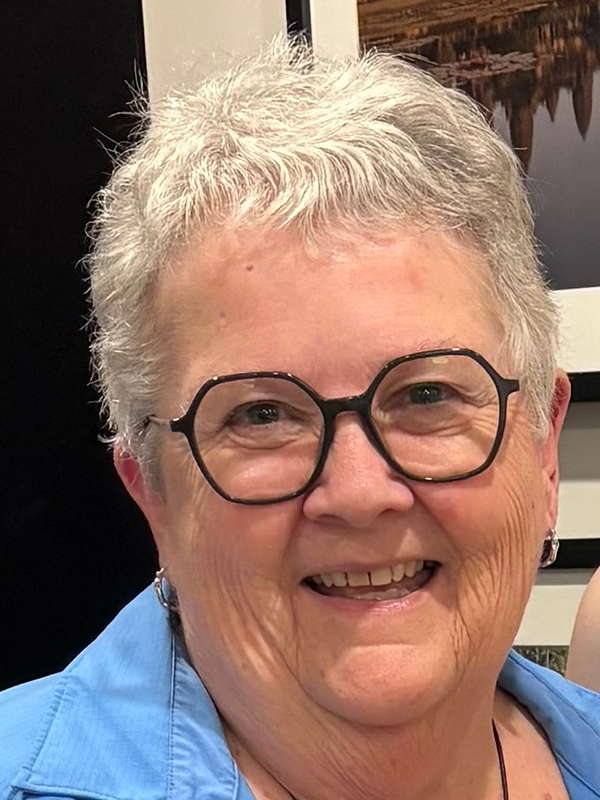
Sally Lockhart is currently in the process of retiring from chairing a local not-for-profit cooperative community board that has built an affordable residence for seniors needing more care than they can get at home. Before becoming an injury prevention consultant in 1999, she worked in child injury prevention with Health Canada (7 years) and before that, in disability awareness and prevention at the Ottawa Rehabilitation Centre (6 years).
How did you find you way into the injury prevention field? What attracted you?
I moved to Ottawa in 1985 and got to fill a maternity leave opening at the Ottawa Hospital Rehab Centre. I was Assistant Education Co-ordinator. Among other things, I conducted tours and learned all about rehab. Then a job came up in the volunteer dept where a woman had started a disability awareness program. Volunteers who had disabilities would go out to schools or workplaces and talk about their disability, how they were more like the audience than not. I got the job leading this program in the late 1980s.
One year we had three young men sustain spinal cord injuries from diving into shallow water – either a pool or lake. The physiatrist in charge of the spinal cord team wanted someone to look into starting a disability prevention program. I got volunteered to do this and went looking for resources or programs. The only resources I found in Canada were ThinkFirst and Dr. Charles Tator. They had some posters and other materials we used as injury prevention resources, and I started a network in Ottawa of all of the players, including Red Cross and St. John Ambulance. We reached out to Health Canada’s injury prevention person, Lori Root. She was the one who, when they had a position on the programming side, said to me I should take that role. So, I moved to Health Canada and took on the child injury prevention role but still had the network I’d built externally.
I became a subject matter expert and began to lead projects such as the Safe Seasons calendar. We had a whole team of all the national organizations taking part in that project. I was also able to expand my networking role by hosting meetings with two representatives from each province – one from the government and one from their injury prevention organization, if they had one. That eventually morphed into the Canadian Collaborating Centres for Injury Prevention. Around that time, Dr. Barry Pless had some funding to bring injury prevention researchers together with Morag MacKay facilitating the meeting. With the funding I had to bring programmers together, we were able to have a combined meeting. This group came up with a number of recommendations for an injury prevention strategy (the October report,1998) and were able to act on some of these items – most notably the development of the first economic burden of injury report. In 1999 I took a leave of absence from Health Canada when I moved back to P.E.I. I continued to do work in injury prevention as a consultant, developing programs and resources, mainly with national, regional, or provincial injury prevention partners.
How long have you been working in the injury prevention field?
I began in the late 1980s with work in spinal cord injury prevention education and programming and expanded to most areas of unintentional injury prevention. I “retired” around 2014.
What have been the biggest changes you’ve seen since you started?
Well, the biggest changes were sometimes the result of being too successful in shining a light on an issue. For example, with playground injuries, we got the Playground Safety Institute developed around 1997. This Institute trained playground inspectors who then went out into communities inspecting school and community playgrounds and pointed out the safety issues. They suggested to communities that they should develop a plan to replace equipment over time. Unfortunately, communities started ripping out their playground equipment for fear of litigation. There was backlash across the country and I can remember CBC doing an interview about the “safety grannies”!
Injury prevention has been normalized in this country in some areas. Now in P.E.I., when someone sees a cyclist without a helmet or a downhill skier without a helmet, it just looks odd. But things need to be continually addressed, such as seatbelt use or impaired driving.
The other big change is the infrastructure and co-ordination that now exists in Canada for injury prevention. There are a few people doing their own thing but, for the most part, there’s a network, there’s co-ordination of efforts such as Poison Prevention Week or Car Seat Safety Week. We’ve come so far from the 1980s when almost no one was working in injury prevention to now where we have a significant number of people.
Why did you stay in the injury prevention field?
I had such nice people to work with, and I had this subject and network knowledge, and I enjoyed it. It was great when I moved from Health Canada to working for myself because I could still work with all of you. There were good people to work with who were committed to the cause. And we did make a difference.
What is one standout success/memory?
There are two for me – the creation of the Canadian Collaborating Centres for Injury Prevention (CCCIP) and the Atlantic Collaborative on Injury Prevention (ACIP).
ACIP came to be after a meeting in Atlantic Canada hosted by the four national organizations (at that time), Safe Kids Canada, SMARTRISK, ThinkFirst Canada and Safe Communities Canada. We had identified people who were working in injury prevention in each province and invited them to meet with the 4 national organizations to explore working together. ACIP continues to be a government and non-government partnership across all 4 Atlantic provinces. One of their early successes was in the area of ATV legislation in each province.
How do you feel about the future of the injury prevention field?
I wonder about the benefits of integrating injury prevention into areas such as home care, for fall prevention, and how prevention can help address bottlenecks in the system such as wait lists for long-term care.
I think training on injury prevention is the way to go. I don’t know if you’ll ever get an association or a clinical designation but at least embed injury prevention training into other degrees or continuing education. Use examples of where injury prevention has made a difference in a community or hospital to demonstrate the impact.
And injury prevention never ends. You have to be on top of it all the time, like with seatbelt use, drinking and driving. There’s a flow of new people who need to learn and know this information. It’s not going away. Every new generation has to be re-educated unless you’ve changed the product or changed the legislation and it’s really working. There’s still a lot of human behaviour involved.