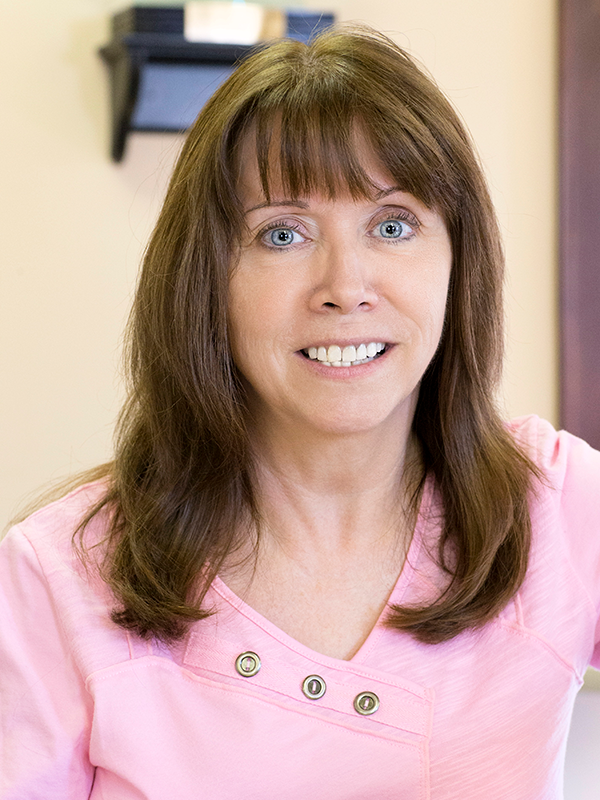
Kathy Belton, PhD, is the former Director of the Injury Prevention Centre at the University of Alberta in the School of Public Health.
Kathy, how did you find you way into the injury prevention field? What attracted you?
On July 26, 1980 on a weekend camping trip to Laurier Lake, I was struck by the rear of a motorboat and the propeller of the boat motor severed the ulna bone in my left forearm, the skid of the motor, that sharp curved piece at the bottom of the motor, spilt my skull resulting in a massive brain injury. While this event took place in a matter of minutes it has influenced and continues to impact my life, and the lives of my family and friends today, 37 years later.
After I was hurt, I decided that I wanted to get some formal education to help people with acquired disabilities, people who were injury survivors. That didn’t end up being the route I took. In my fourth year of a Bachelor of Arts degree, I was taking a counselling psychology course, and my instructor gave me some feedback – that I was really good with the theory of counselling but struggled with the empathy component. Because I had done so well with my recovery, my expectations were very high for everyone else. I appreciated that feedback.
Earlier, I had met Dr. Louis Fransecutti, an emergency medicine physician. I was working out at the Centre for Physically Disabled Athletes, which is now the Steadward Centre at the University of Alberta, and my trainer mentioned that she’d met Louis (he was a resident at that time) who was working on projects to prevent injuries. So, I volunteered with him on a program call Tag for Life. It took young men, mostly those who had been convicted of reckless driving offences: excessive speed, stunt driving, those types of things. An injury survivor took them through a day-long program, starting with seeing what happens in an emergency room through to an intensive care unit. They actually spent the day with someone who had a brain injury, like me, or someone in a wheelchair so they could see the consequences or potential consequences of their actions. There are other similar programs, like Heroes and the Party Program, but this one was targeted for people who had already shown risk-taking behaviours.
When I graduated in 1989, I went to work for Louis as his assistant, and I’ve been there ever since in various positions. I moved to a research role and then an education role. The joke is that I’ve done every job in the organization! Well, except analysis of data. I collected data but didn’t do any of the analysis – as an epidemiologist I should want to do the analysis but, to be honest, it wears me out.
How long have you been working in the injury prevention field?
I’ve been in the field since 1987, employed in it since 1989. I’ve stay so long because I’m passionate about the field of injury prevention.
What have been the biggest changes you’ve seen since you started?
When I started, the organization was me and Louis along with some volunteers. Over time, we were able to hire a secretary and eventually more staff, such as a person to do our newsletter. When we moved to the University Hospital, that’s when things really started to grow. We did the first injury in Alberta conference in 1989, and that led to a second and third one. The current iteration of the Alberta Centre launched officially in 1999.
For the field of injury, the one of the biggest changes I’ve seen has been the growth in research and how it has led us to be more evidence-based. When I was first hired, Louis had me to read Injury Prevention: Meeting the Challenge that was put out by the National Committee for Injury Prevention and Control in the U.S. at the time. It was a wonderful book because they were leaps and bounds ahead of us, in terms of being evidence-based. I saw the need to move beyond education to policy and enforcement work as well as engineering. I remember having a conversation with someone who wanted to do a colouring sheet contest on agricultural safety. They thought that was going to make a difference. I told them that it might raise some awareness, but it won’t make a difference in the long run. It’s the same today: people still want to rely on education, thinking it will be wonderful. But have they taken the time to understand why people are engaging in the behaviour, like drinking and driving? They and we need to know this before deciding what the most effective solution is.
Another big change has been the growth of the field across the country and in Alberta. In the 1990s, the field was very young, and it gained traction throughout the 1990s and into the 2000s. There are definitely more people working in the field but that brings its own challenges. For example, when we started the Canadian Collaborating Centres for Injury Prevention, it was very close knit and that facilitated more sharing of things like the challenges we were all facing. Don’t get me wrong, it’s a good thing to have more people in the field, but we need to have a balance of connection. I feel it’s ebbing now and so I’m hoping for another growth spurt soon.
There have also been changes in government over time. We’ve had a series of health ministers that took the portfolio really seriously. One in particular really bought into injury prevention and had a personal experience with a family member who had died after a fall. We had other civil servants who supported and saw the need for the Centre but also helped bolster injury prevention in the province and throughout the government. Then people change, they retire or move positions, and the new people don’t have the history, and the corporate knowledge is lost – why certain decisions were made or why things were done in a particular way. For example, the Centre was first funded as a line item in the Albert Health budget. Now we’re not and just part of the grant pool which means that every time we have to educate people and fight for funding, explain our achievements, what we’ve done, why injury prevention is important, every year, sometimes every six months. It’s exhausting.
Why did you stay in the injury prevention field?
I’m passionate about preventing injuries. I treasure experiences such as hearing individual’s stories about how something we’ve been involved with has made a difference, or working with a mom who had started a non-profit about getting teenagers to wear their seatbelts because her daughter was killed in a crash and she wasn’t wearing her seatbelt. I don’t think the field has used injury survivor stories enough to draw in the public or politicians to support prevention efforts. Data and evidence are only one part of the rationale.
What is one standout success/memory?
There have been some tremendous wins over the course of my career. On a national level, the creation of the Canadian Injury Prevention Curriculum, the Canadian Collaborating Centres for Injury Prevention, and the national strategy work: Even though the national strategy was never adopted, I think the fact that so many of us in the field worked with the federal government on it, and that the document exists, is valuable.
Legislative wins: of child passenger safety legislation, graduated driver licensing, helmet legislation (bikes and ATVs) and, in Alberta, stopping people riding in the back of pick-up trucks.
We’ve had a lot of wins, but we still have a lot of work to do!
How do you feel about the future of the injury prevention field?
I think the research side of the field will just get stronger. I think there are enough researchers out there, and students that they have been able to attract to the field, that research will grow. I’m worried about the public health aspect of not only Alberta but Canada. As budgets get tighter, it seems like public health gets the brunt of the budget cuts. I also think that because of COVID and how it was handled, there’s a lot of distrust in public health right now. We either have to help public health or distance ourselves from public health. I’m not sure which direction we should take. Frankly, public health hasn’t been a friend to injury prevention the way it should have been. How many times have we tried to engage them without success? Local public health doesn’t have dedicated injury prevention positions in most provinces and territories. Even looking at the University of Alberta’s School of Public Health – we have the injury prevention course, but I can’t remember the last time it was offered.
If you could wave a magic wand and change one thing for injury prevention, what would it be?
I would have to say funding. That would get injury prevention on the federal government’s agenda, ensure you (Parachute) as a national organization had stable operations funding so that time spent could be on doing the work as opposed to searching for funding. It’s the same here in Alberta. We don’t know if we’ll be funded next year and what happens if we aren’t. If I had a magic want, I would give you operational funding and I would make so that you had a staff person, at least in every province, that could liaise between the provincial organization and you (Parachute). Not that you would direct activities of that provincial organization but there would be better co-ordination of activities. If the provincial government could see an investment from the federal government in injury prevention, then they might be more willing to put in resources.