E-bikes and e-scooters can be affordable and environmentally friendly ways to get around. Like any other form of transportation, there are important things to keep in mind to ride safely.
E-scooter injuries are on the rise across Canada. Between 2023 and 2024, the number of hospital visits related to e-scooters increased by 32 per cent.
Check the laws in your area
E-scooters are not allowed everywhere in Canada. Find out if e-scooters can be ridden on public roads or paths in your province/territory and your city or town.
If e-scooters are allowed in your area, local laws will have information about:
- where you can ride (for example, in bike lanes but not on sidewalks)
- what age you must be to ride
- helmet use
- maximum speed
E-bike riders generally need to follow the same rules of the road as other bicycle riders.
Some places are safer to ride than others
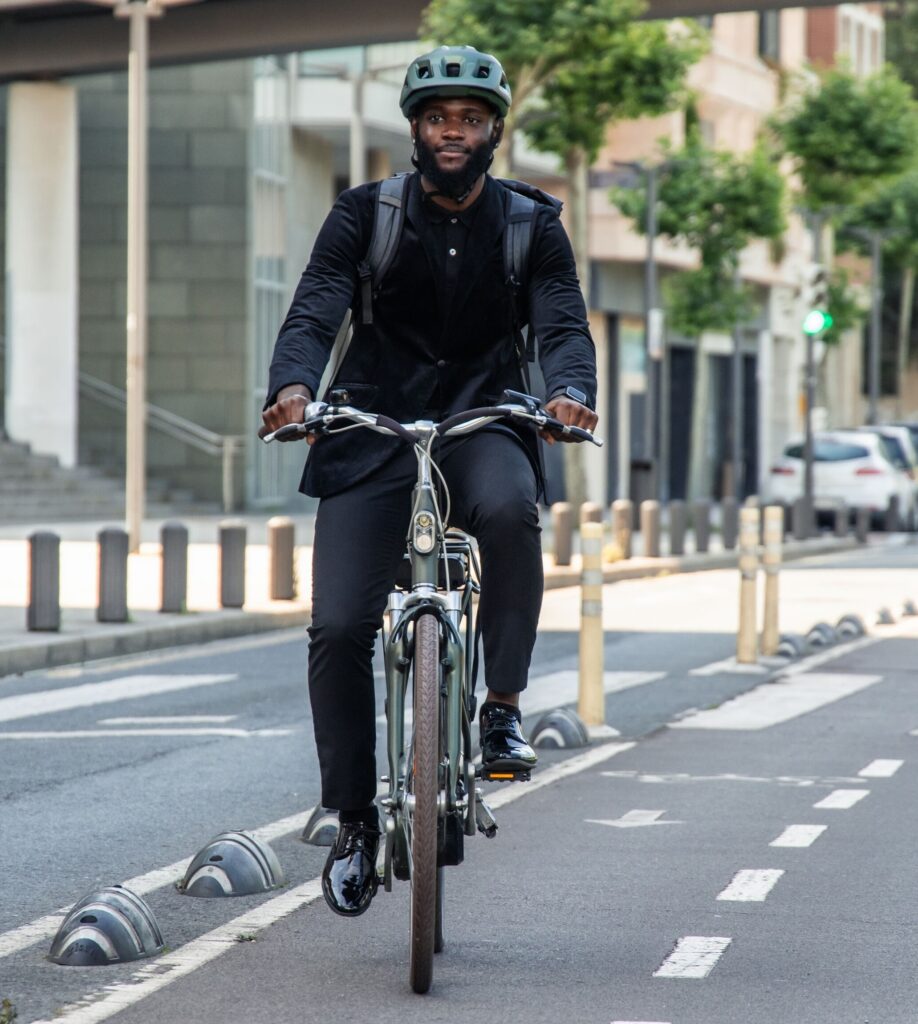
Where you ride can affect your safety and the safety of other road users around you.
E-bikes
Just like other cyclists, you are safest in a bicycle lane or path that is separated from cars and other vehicles. When riding on the road, stay on the right side, going the same direction as traffic. Roads with slower vehicle speeds are safer.
E-scooters
Most laws do not allow e-scooters on sidewalks, to keep people walking or using mobility devices safe. Generally, where permitted, e-scooters can be ridden on roads or bike paths. E-scooters have small wheels and can tip when going over potholes and uneven surfaces.
Use devices responsibly
Get familiar with your e-scooter or e-bike before using it in busier areas.
Always wear a helmet
Many injuries from e-bikes and e-scooters are head injuries. If you fall or are in a crash, a helmet can help prevent serious injuries to your brain and skull.
There isn’t research or a helmet test yet to show what helmets are safest for e-bikes and e-scooters. The U.S. Consumer Product Safety Commission recommends:
- When riding near motor vehicles or going 32 km/h or faster, wear a certified moped or motorcycle helmet.
- When riding away from traffic and going less than 32 km/h, wear a certified and properly fitting bicycle helmet. Learn more about choosing and wearing helmets
Never ride impaired
Riding an e-bike or e-scooter while impaired by alcohol or other substances can put you at risk of serious injury.
Park away from busy pedestrian areas
It’s best to use areas designed for parking your device, such as bike racks. If a space like this is not available, be sure to park your device away from sidewalks, paths, doorways and other areas people need to access.
Children under 16 should not ride e-scooters
E-scooters are a form of transportation: don’t think of them as toys. E-scooters are dangerous for children because they:
- Go fast (usually 20 km/h or faster)
- Need physical strength to control
- Need emotional and cognitive (thinking) abilities to ride and make decisions, just like driving a car
Children can develop their skills by riding a bicycle or using a non-electric kick scooter. These active forms of transportation also give children the benefits of physical activity that e-scooters do not.
Safer roads for everyone
Parachute recognizes that roads in lower-income neighbourhoods may not have the same safety features enjoyed in other neighbourhoods. As well, if we improve people’s access to health services, education, employment income, quality housing and improved social environments, we decrease rates of injury. Policies that support healthy and safe built environments, such as 30 km/h speed limits and enforcing those speed limits, decrease rates and severity of injury for everyone.
Parachute leads Canada’s Vision Zero movement – a multi-national traffic safety initiative that is reinventing traditional approaches to traffic safety, based on the philosophy that no one should be killed or seriously injured in the road transportation system. Vision Zero is based on an approach of shared responsibilities among all those involved in the road system – politicians, planners, vehicle manufacturing companies and all road users alike.
Media
-
Link
Preventing injuries and fatalities as e-scooter use rises across Canada
CBC Manitoba — November 28, 2025
-
Link
Is an E-scooter safe enough to make your kids’ Christmas list?
Global News Vancouver, Jill Bennett Show - look for episode title to listen to clip — December 1, 2025
-
Link
Stephanie Cowle on Hanomansing Tonight to discuss e-scooter injuries
-
Link
E-scooter injuries on the rise in B.C.
CityNews Vancouver — October 18, 2025
-
Link
E-scooter injuries on the rise and B.C. kids are at great risk, say experts
Vancouver Sun — October 17, 2025
-
Video
Attention e-scooter riders: Police in Toronto are cracking down as health officials warn of the rising number of injuries across the country
CTV National News: Story runs 13:29 to 15:39 — August 25, 2025
-
Link
E-scooters might be fun, but are they safe?
-
Link
Data show e-scooter injuries are on the rise
Newstalk 580 Ottawa — July 29, 2025
-
Link
‘Free-for-all’: Advocates call for e-scooter regulations as injury numbers climb
-
Link
Pamela Fuselli talks to Mike Smyth about e-scooter injuries
Global News Vancouver 730 CKNW — July 23, 2025
-
Link
Stephanie Cowle talks to Kyle Horner about e-scooter injuries
-
Link
E-scooter accidents on the rise in Alberta
CityNews Calgary — July 18, 2025
-
Link
But all my friends have one: Why some parents say no to kids’ demand for e-scooters
CTV News — July 18, 2025
-
Link
Kelley Teahen talks about e-scooter injuries rising in Canada
-
Link
E-scooter injuries on the rise across Canada, data show
-
Link
E-scooter injuries are on the rise among both kids and adults in Canada
Canadian Press — July 17, 2025
-
Link
What do you think of e-scooters?
-
Link
Popularity of E-scooters is raising safety concerns, especially for young riders
-
Link
As E-scooters become more popular across Canada, safety concerns are rising
-
Link
Parachute’s President Pamela Fuselli comments on rise of injuries related to increased e-scooter use